“In 1904 she became the first deaf blind person to earn a bachelor’s degree”
Built in 1820, Ivy Green was home to Captain Arthur H. Keller, a former Confederate officer and newspaper editor, and his wife Kate Adams Keller, a well educated woman from a prominent Southern family. Their lives took a dramatic turn when their daughter Helen lost both her sight and hearing at only 19 months old after a sudden illness. The Kellers were left with limited guidance, few resources, and many unanswered questions. Kate refused to accept that her daughter’s future was predetermined. She spent years searching for anyone who could offer help, advice, or proven methods for educating a child with multiple disabilities. Her persistence became the driving force behind the journey that would shape Helen into one of the most influential figures of the twentieth century.

The Kellers eventually reached out to specialists who connected them with the Perkins Institute for the Blind in Boston. This led them to hire Anne Sullivan, a young teacher who had overcome her own struggles with vision loss. When Anne arrived at Ivy Green in March 1887, she carried with her a deep belief that Helen was capable of learning. She was determined to break through the silence and teach Helen how to communicate with the world around her. Those early weeks were filled with frustration, effort, and countless attempts to help Helen understand that words were symbols connected to meaning.
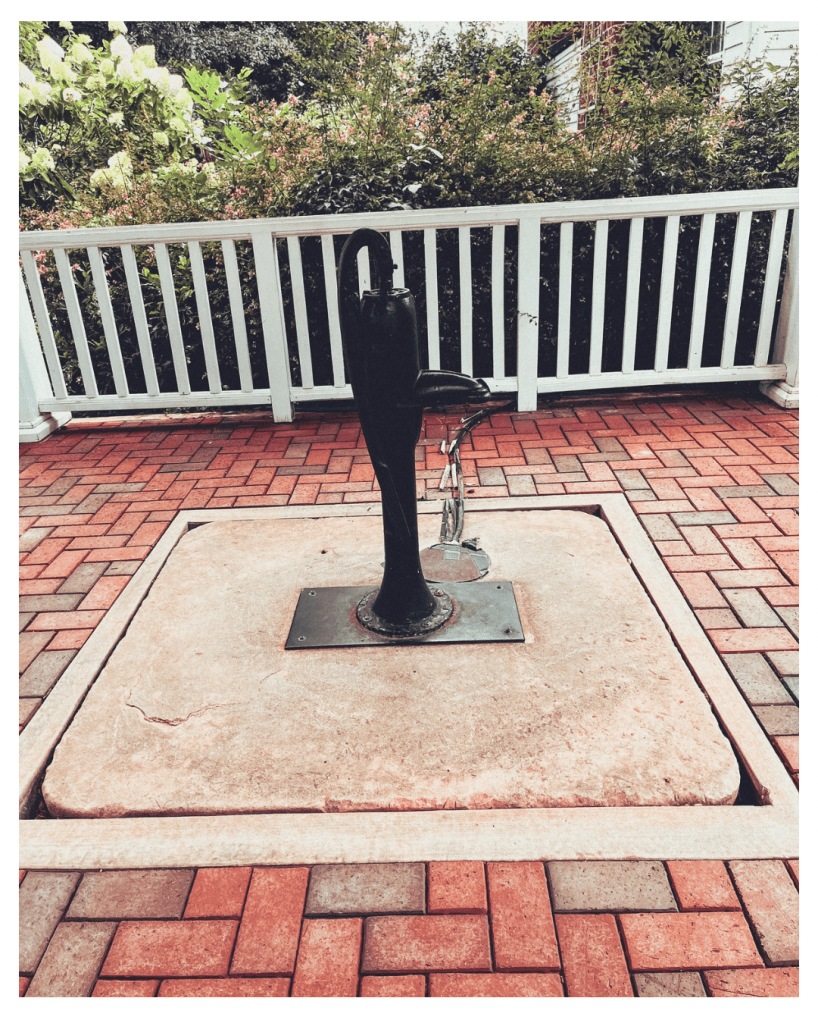
Helen Keller’s Famous Breakthrough at the Water Pump
One of the most important moments in American history took place behind the main house at the simple water pump in the yard. Anne repeatedly spelled words into Helen’s hand, but none of the lessons were connecting. That changed when Anne ran cool water over Helen’s palm while tracing the letters W A T E R into her other hand. In that moment Helen realized that the motions spelled a word and the word represented the water flowing over her skin. That single moment opened the door to communication. Helen began asking for the names of everything around her. Her world expanded instantly and permanently. This breakthrough was the foundation for her future education, independence, and eventual work as an author, lecturer, and advocate.
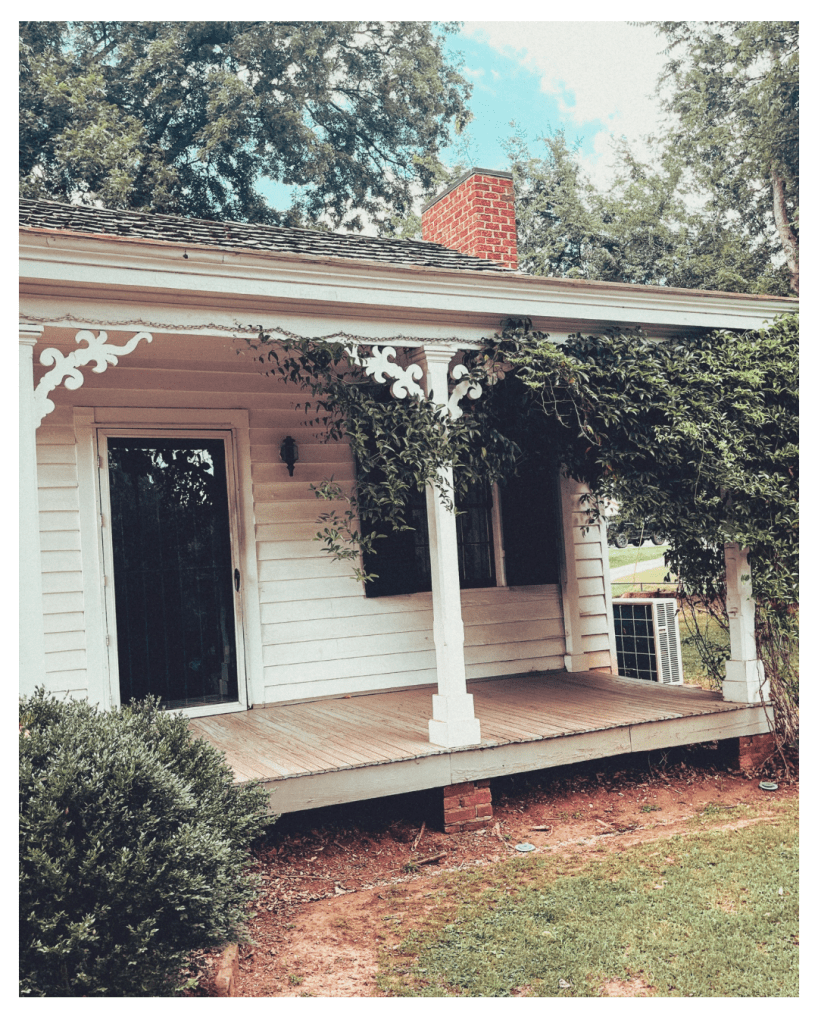
The Cottage on the Grounds
Shortly after Anne Sullivan’s arrival, the family noticed that Helen’s strong emotions and unpredictable behavior were making it difficult for her to learn inside the main house. To create a quiet and structured environment, Anne and Helen moved into a small cottage on the property. The separation allowed Anne to work with Helen without interruption and helped establish routines that were essential to Helen’s progress. Today, visitors can walk through this cottage exactly as it stood during those early lessons.
Life Beyond Ivy Green
Once Helen understood language, her learning accelerated rapidly. Under Anne Sullivan’s guidance she became a devoted student who mastered reading, writing, and eventually speech. In 1894 Helen left Ivy Green to attend the Perkins Institute for the Blind in Boston. She went on to study at the Cambridge School for Young Ladies and later at Radcliffe College. In 1904 she became the first deaf blind person to earn a bachelor’s degree. Her education and her relentless determination transformed her into an international symbol of resilience and human potential.

Ivy Green Today
Ivy Green remains a beautifully preserved historic home filled with nineteenth century furnishings, original Keller family belongings, and extensive exhibits that document Helen’s early life. Visitors can explore Helen’s childhood bedroom, the family dining room, and the cottage where she received her earliest lessons. Outside, the famous water pump still stands as one of the most recognized landmarks in disability and education history.
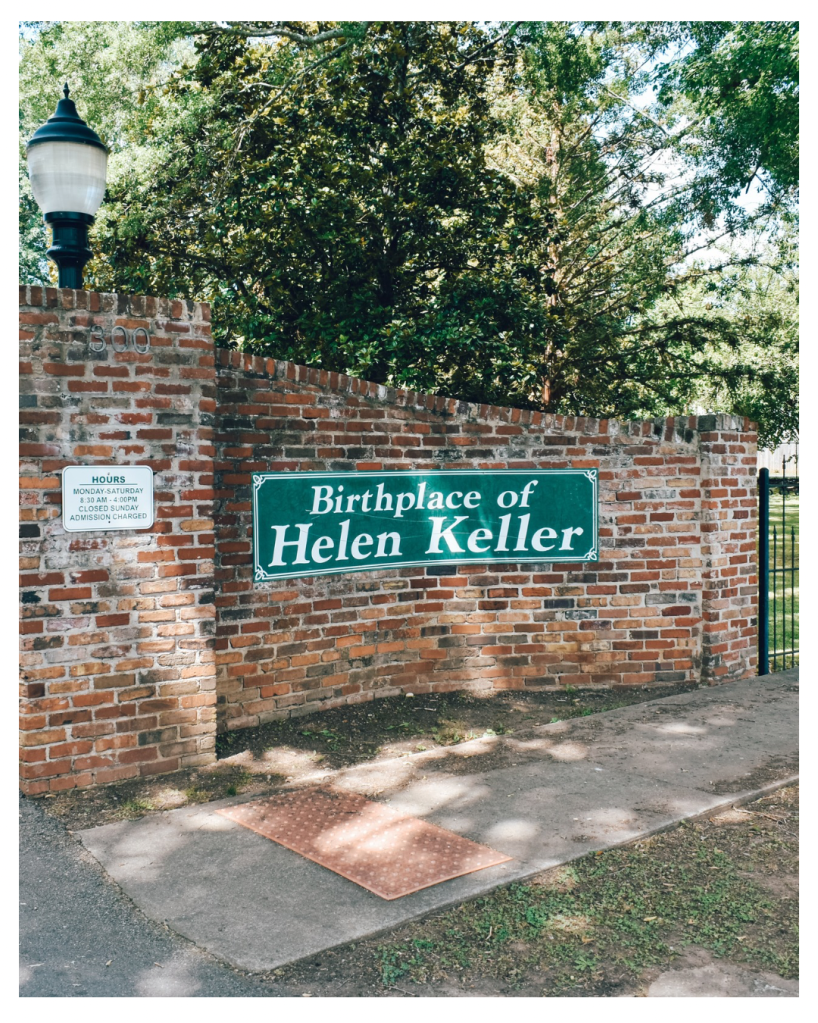
Helen Keller’s story inspires people of all ages. If you are planning a trip to Alabama, add Ivy Green to your itinerary. Walking through the home offers a rare opportunity to stand where one of the most extraordinary breakthroughs in American history took place and to better understand the people and the environment that shaped Helen Keller’s remarkable life.


 The Jessie Canute
Leave a comment